
See how turning your ideas into Roblox experiences can become a long-term route for building Robux potential while developing skills that support future projects.
Develop Roblox projects designed to improve through updates, feedback, and repeat play.
Find out how designing, launching, measuring, and improving games can create more sustainable Robux potential as the project grows.
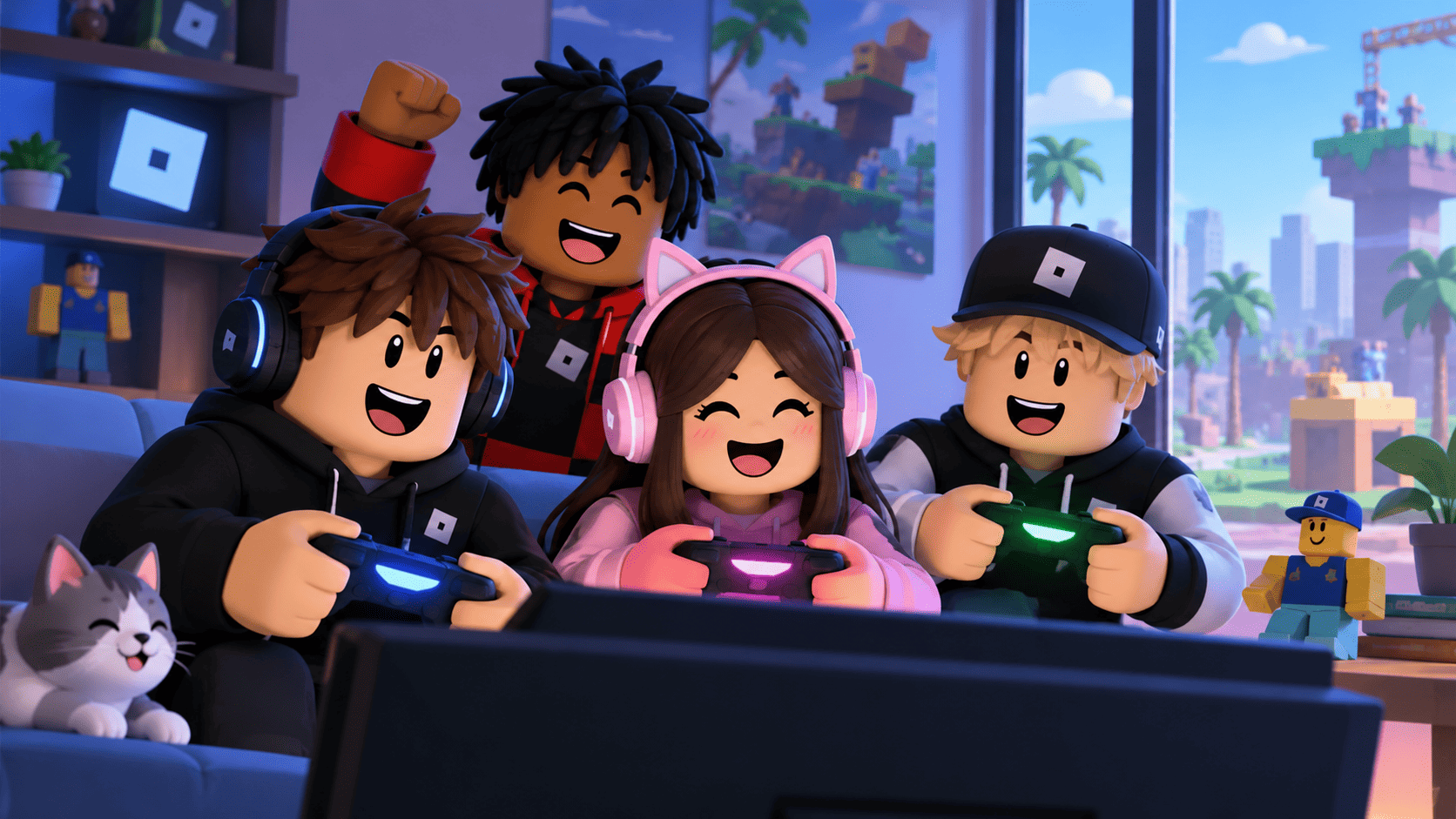
Building Robux through game creation is built through a system, not a one-click solution. Viral experiences can make growth look effortless, but better results usually come from publishing, measuring player behavior, and optimizing the experience over time.
New creators often jump to monetization before strengthening the fundamentals that support it: a strong gameplay loop, fair progression, reliable retention, and a clear reason for players to return repeatedly.
The route also also comes with meaningful tradeoffs, from learning technical basics to competing in crowded categories and dealing with slow early traction. Knowing this in advance makes it easier to build a more realistic plan and make better decisions.
To help you judge this opportunity, here is a balanced overview of 8 strategic advantages and 8 important tradeoffs of developing Robux potential through Roblox game creation.
8 Ways Roblox Game Development Can Create Robux Potential
1) Better engagement can increase revenue potential
Every returning session creates another opportunity for engagement and optional purchases. As retention becomes more consistent, a small release can develop into a more sustainable source of Robux.
2) Monetization uses Roblox's own ecosystem
This approach runs through Roblox's official platform systems, which gives it a more transparent structure than unreliable outside methods. Players receive value through the experience while creators work within platform rules.
3) You can design monetization around the product
Game passes, cosmetics, convenience features, and progression options can be structured around the experience you are developing. That lets you optimize gameplay and monetization together without treating them as separate systems.
4) Repeated projects can strengthen your creator brand
A distinctive experience can help players recognize your creator identity. As that recognition grows, future launches may be easier to introduce to an audience that already knows your style.
5) The skills you gain can support future projects
Game creation can develop scripting, design thinking, product iteration, communication, problem solving, and data-informed decision making—skills that remain valuable beyond Roblox.
6) A released experience can keep generating activity
A well-built experience can continue generating player activity while you prepare the next update. It still needs maintenance, but the work already completed can continue creating value after launch.
7) Good engagement can strengthen organic discovery
When players understand the experience quickly and return consistently, better engagement can support broader visibility inside Roblox. That means some growth may come from the platform itself instead of only external promotion.
8) Updates create new opportunities to reactivate players
Updates can reactivate previous players, create new reasons to stay, and open additional monetization opportunities. A consistent update rhythm can help a project stay relevant well beyond its initial release.
8 Tradeoffs to Consider Before You Start
1) The first learning phase can be demanding
Beginners usually need time to understand basic scripting, game structure, balancing, and publishing workflows. Progress is possible, but practice, iteration, and patience are part of the early stages.
2) Meaningful performance usually takes iteration
Most projects require multiple cycles of testing and improvement before they generate meaningful Robux. Progress across repeated iterations is more realistic than immediate returns.
3) Player attention is a highly competitive resource
Thousands of experiences compete for the same player attention. A generic concept can struggle to stand out, which makes presentation, quality, and execution especially important.
4) Visibility can fluctuate with platform dynamics
A solid game can still lose reach if engagement falls or discovery systems change. You can control the product and your update cadence, but not everything that affects distribution.
5) Successful projects require continued maintenance
Unresolved bugs, stale content, or a lack of updates can weaken player interest. Long-term performance usually depends on regular fixes, additions, and refinements.
6) Monetization must remain balanced
Too many paywalls can damage trust, while weak monetization can limit the project's potential. The challenge is to create optional benefits without making the experience less enjoyable.
7) Building the first version can consume significant time
Planning, prototyping, polishing, testing, and reading player feedback all take time. Solo creators especially need to keep scope under control so the project remains achievable.
8) Not every launch will perform as expected
A release can underperform even after a lot of work. Treating each launch as a source of data makes it easier to improve the next version instead of judging the entire idea from one result.
Final Takeaway
Roblox game development can become a long-term path toward Robux when you treat it as a creator strategy instead of a shortcut.
The upside includes creative control, scalability, and useful skill development. The tradeoff is that progress requires discipline and patience.
If you enjoy creating, analyzing results, and optimizing ideas, this path can become both enjoyable and valuable as the project matures.
For serious creators, Roblox can be more than entertainment alone—it can function as a complete ecosystem for creating, launching, and optimizing digital experiences.